

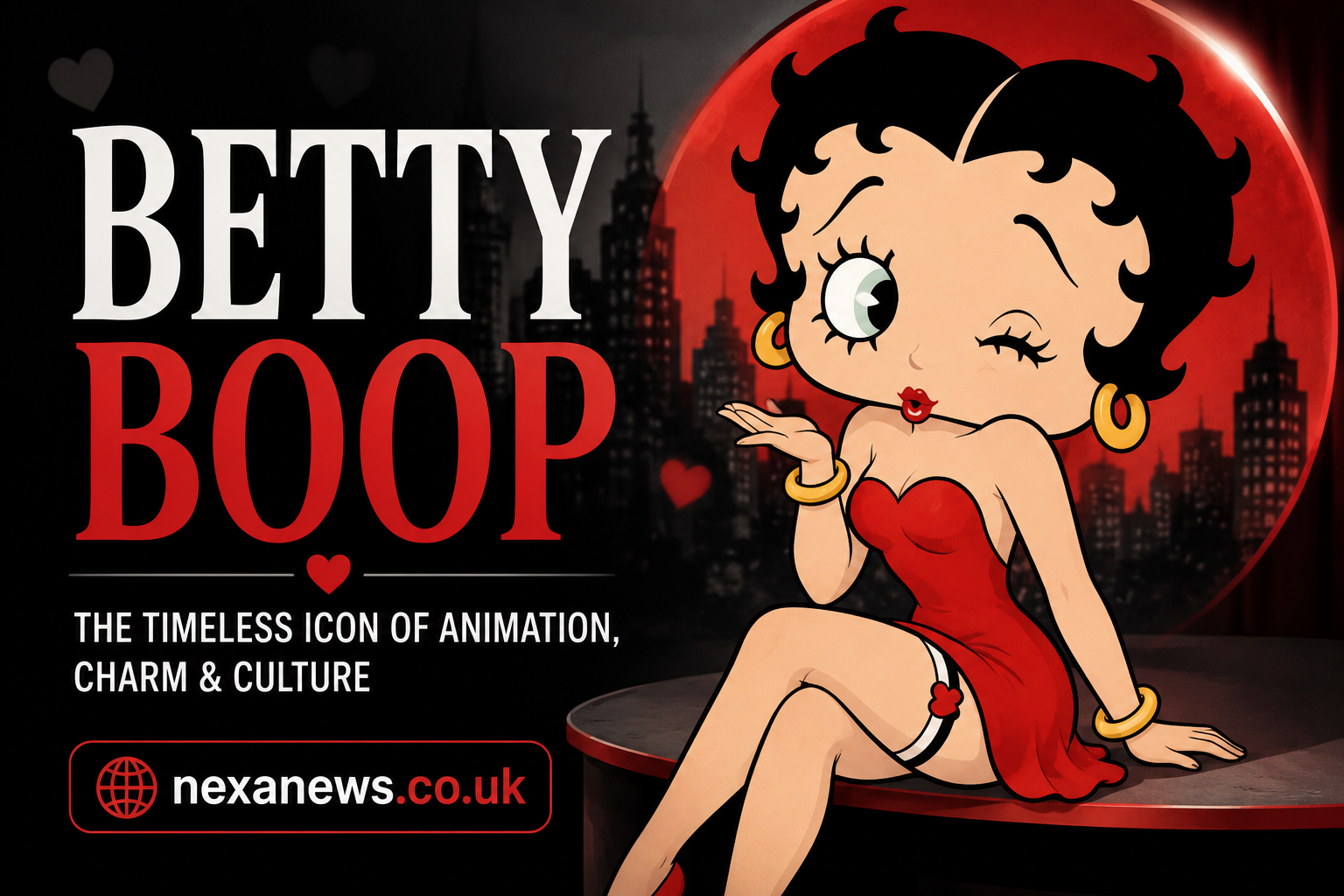
Betty Boop: Everything You Need to Know
Betty Boop is one of the most recognizable cartoon characters ever created. With her signature curls, expressive eyes, short dresses, and playful personality, she has remained a symbol of classic animation for nearly a century. While many people recognize her image from clothing, collectibles, and pop culture, fewer know the fascinating story behind her creation and how she became an enduring entertainment icon.
Originally introduced during the golden age of American animation, Betty Boop represented a fresh and bold style of cartoon storytelling. Over the decades, she has evolved from a black-and-white animated star into a global cultural symbol admired by generations of fans.
This guide explores the complete history of Betty Boop, including her origins, creator, evolution, personality, cultural influence, notable cartoons, merchandise, and why she continues to capture audiences today.
Key Takeaways
- Betty Boop debuted in 1930 and quickly became one of animation’s biggest stars.
- She was created by animator Max Fleischer and became famous through Fleischer Studios.
- Betty Boop helped shape early animated storytelling and popular culture.
- The character remains a fashion, merchandising, and entertainment icon worldwide.
- Nearly a century after her debut, Betty Boop continues to inspire new generations.
Main Article
The Origins of Betty Boop
Betty Boop first appeared in 1930 during the early years of synchronized sound cartoons. She was introduced in the animated short Dizzy Dishes, produced by Fleischer Studios.
Interestingly, Betty did not initially appear exactly as audiences know her today. Early versions featured more dog-like characteristics, including floppy ears that eventually transformed into her famous hoop earrings. As the character evolved, artists refined her appearance into the fully human design that became instantly recognizable.
Her popularity grew rapidly because she combined humor, charm, music, and expressive animation unlike anything audiences had seen before.
Who Created Betty Boop?
Betty Boop was created by legendary animator Max Fleischer, founder of Fleischer Studios.
Working alongside talented artists including Grim Natwick, Fleischer helped pioneer several groundbreaking animation techniques that influenced the entire industry.
Max Fleischer’s Contributions
His studio introduced innovations such as:
- Rotoscope animation
- Realistic character movement
- Musical cartoons
- Detailed urban-inspired settings
- Unique visual humor
These innovations helped Betty Boop stand apart from other animated characters of the era.
Betty Boop’s Design and Personality
One reason Betty Boop has remained so memorable is her distinctive design.
Her classic appearance includes:
- Large expressive eyes
- Curly black hair
- Heart-shaped lips
- Hoop earrings
- Short black dress
- High heels
- Cheerful smile
- Playful personality
Rather than being a traditional fairy-tale heroine, Betty represented confidence, independence, humor, and optimism.
Her personality balanced innocence with sophistication, making her appealing to adult and younger audiences alike.
The Golden Age of Betty Boop Cartoons
Throughout the early 1930s, Betty Boop became one of America’s most successful animated stars.
Many cartoons featured:
- Musical performances
- Jazz-inspired soundtracks
- Dancing
- Comedy
- Fantasy adventures
- Talking animals
- Surreal visual effects
The combination of music and animation helped establish a distinctive style that influenced future animated productions.
Popular Betty Boop Cartoons
Several animated shorts remain fan favorites today.
Some of the best-known include:
| Cartoon | Release Year |
|---|---|
| Dizzy Dishes | 1930 |
| Minnie the Moocher | 1932 |
| Snow White | 1933 |
| Poor Cinderella | 1934 |
| Red Hot Mamma | 1934 |
| Betty Boop’s Rise to Fame | 1934 |
Many of these cartoons are celebrated for their creative animation techniques and memorable musical performances.
Betty Boop and Jazz Culture
Music played a major role in Betty Boop’s success.
Many shorts featured performances inspired by the thriving jazz scene of the early twentieth century.
Famous musicians collaborated with Fleischer Studios, helping introduce jazz music to wider audiences through animated storytelling.
This connection between animation and music became one of Betty Boop’s defining characteristics.
Why Betty Boop Was Revolutionary
Betty Boop arrived during a transformative period in animation.
She differed from many cartoon characters because she:
- Expressed emotion naturally.
- Displayed a unique personality.
- Headlined her own successful series.
- Appealed to adult audiences as well as families.
- Reflected changing cultural trends.
She became one of animation’s earliest female superstars, paving the way for future leading cartoon characters.
The Impact of the Production Code
During the mid-1930s, Hollywood adopted stricter content guidelines known as the Production Code.
As a result, Betty Boop’s appearance and personality changed noticeably.
The character began wearing longer dresses and adopted a more conservative image.
Although she remained popular, many historians believe these creative restrictions reduced some of the originality that had made her famous.
Betty Boop’s Cultural Legacy
Few animated characters have maintained such lasting popularity.
Today, Betty Boop appears on:
- Clothing
- Accessories
- Home décor
- Toys
- Posters
- Artwork
- Stationery
- Collectibles
- Video games
- Licensed merchandise
Her instantly recognizable silhouette has become a symbol of vintage American pop culture.
Betty Boop as a Fashion Icon
Fashion has played a significant role in Betty Boop’s lasting appeal.
Her classic style continues to inspire:
- Graphic T-shirts
- Jackets
- Handbags
- Jewelry
- Sneakers
- Watches
- Phone cases
- Cosmetics collections
Designers frequently revisit her timeless aesthetic because it blends nostalgia with playful elegance.
Betty Boop in Modern Pop Culture
Although her theatrical cartoons belong to another era, Betty Boop remains relevant.
She regularly appears in:
- Fashion collaborations
- Museum exhibitions
- Limited-edition merchandise
- Social media artwork
- Fan conventions
- Vintage animation festivals
Collectors continue to seek rare Betty Boop memorabilia, making the character one of the most successful licensing brands in animation history.
Betty Boop Merchandise
Collectors enjoy an enormous range of official products.
Popular categories include:
- Figurines
- Plush toys
- Coffee mugs
- Wall art
- Holiday ornaments
- Apparel
- Jewelry
- Calendars
- Puzzles
- Collector dolls
Vintage merchandise often commands premium prices due to its rarity and historical significance.
Betty Boop’s Influence on Animation
Modern animation owes much to Betty Boop’s success.
Her popularity demonstrated that animated characters could become entertainment icons beyond the screen.
She helped influence:
- Character-driven storytelling
- Animated musical shorts
- Expressive character animation
- Female cartoon protagonists
- Merchandising strategies
Many animation historians consider Betty Boop an important milestone in the evolution of American cartoons.
Betty Boop Compared with Other Classic Cartoon Characters
| Feature | Betty Boop | Other Early Cartoon Stars |
|---|---|---|
| Debut | 1930 | Mostly 1920s–1930s |
| Style | Jazz-inspired | Adventure or comedy |
| Personality | Cheerful and expressive | Often slapstick-focused |
| Cultural Influence | Fashion and pop culture | Primarily entertainment |
| Merchandise | Extensive | Varies by character |
This unique combination of animation, music, and style helped Betty Boop stand apart from her contemporaries.
Why Betty Boop Still Matters Today
Nearly one hundred years after her debut, Betty Boop continues to resonate with audiences because she represents creativity, artistic innovation, and timeless design.
Several factors explain her lasting popularity:
- Instantly recognizable artwork.
- Rich animation history.
- Strong merchandising presence.
- Cross-generational appeal.
- Connection to vintage Americana.
- Continued appearances in fashion and collectibles.
Whether someone discovers her through classic cartoons or modern apparel, Betty Boop remains an enduring cultural icon.
Frequently Asked Questions
What is Betty Boop famous for?
Betty Boop is famous for being one of the earliest and most influential female animated characters. She became an icon of classic American animation and popular culture.
Who created Betty Boop?
Betty Boop was created by animator Max Fleischer and developed at Fleischer Studios during the early 1930s.
When did Betty Boop first appear?
Her first appearance was in the animated short Dizzy Dishes, released in 1930.
Why is Betty Boop considered an animation icon?
She introduced expressive character animation, memorable musical cartoons, and a distinctive visual style that influenced generations of animators.
Is Betty Boop still popular today?
Yes. Betty Boop remains popular through licensed merchandise, fashion collections, collectibles, exhibitions, and appreciation for classic animation.
Was Betty Boop always portrayed the same way?
No. Her appearance and personality changed over time, particularly after stricter film content guidelines influenced animated productions during the 1930s.
Where can people see Betty Boop today?
Betty Boop continues to appear on licensed products, in classic cartoon collections, at animation festivals, and in museum exhibits celebrating animation history.
Conclusion
Betty Boop has earned her place among the greatest icons in animation history. From her groundbreaking debut in 1930 to her continued presence in fashion, collectibles, and popular culture, she represents the creativity and innovation that defined the golden age of cartoons. Her distinctive design, memorable personality, and influence on animation continue to captivate audiences around the world. Whether you are discovering her classic films for the first time or are a longtime collector, Betty Boop remains a timeless symbol of artistic expression, entertainment, and cultural history whose legacy shows no sign of fading.









Leave a Reply