

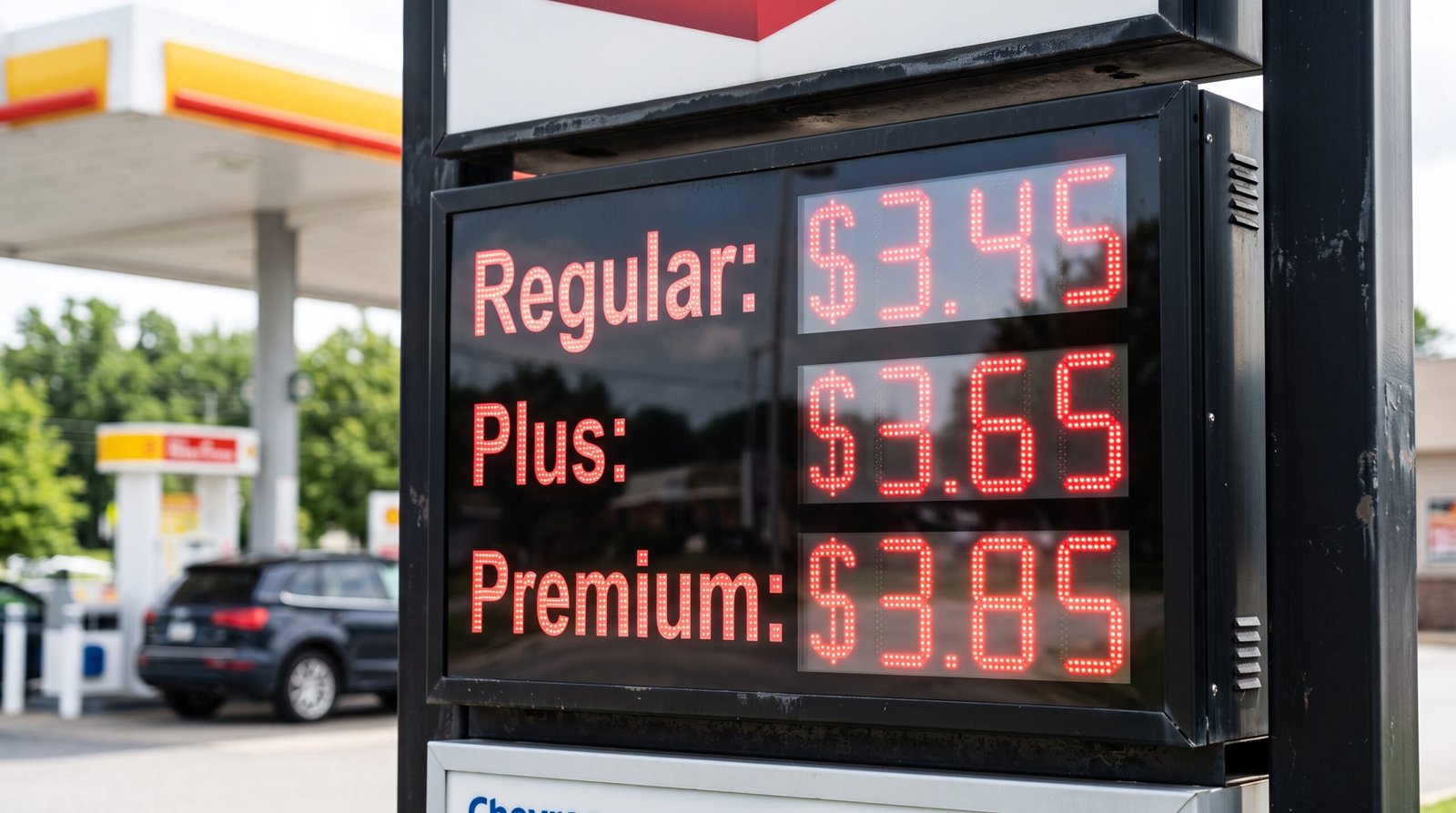
Gas prices influence nearly every household budget. Whether you drive to work, manage a family vehicle, or operate a business fleet, the price you pay at the pump directly affects your monthly expenses. While many people notice prices rising or falling from week to week, understanding why these changes happen can help you make smarter decisions about when and where to buy fuel.
Gas prices are shaped by a combination of global oil markets, refinery operations, transportation costs, taxes, seasonal demand, and local competition. Although drivers cannot control these factors, they can reduce the impact of rising fuel costs by adopting better driving habits, choosing the right gas station, and maintaining their vehicles properly.
What Are Gas Prices?
Gas prices refer to the retail cost consumers pay for gasoline at service stations. The amount displayed on the pump includes several components that work together to determine the final price.
The largest factor is usually the cost of crude oil, which is refined into gasoline before being distributed to fuel stations. Other costs include refining, transportation, marketing, retail operations, and government taxes. Because these factors change over time, gas prices fluctuate frequently.
Drivers often notice different prices between cities, states, and even neighboring gas stations. Local taxes, transportation expenses, and competition among retailers all contribute to these differences.
Why Gas Prices Change So Often
Many people wonder why gas prices can change overnight. The answer lies in the complex fuel supply chain.
Crude Oil Prices
Crude oil is the primary ingredient used to produce gasoline. When oil prices increase due to global demand, production cuts, or geopolitical events, gasoline typically becomes more expensive.
Likewise, when oil production increases or demand falls, fuel prices often decline.
Refinery Operations
Refineries convert crude oil into gasoline and other petroleum products. If a refinery experiences maintenance, unexpected shutdowns, or weather-related disruptions, gasoline production may decrease.
Lower supply combined with steady demand often pushes prices higher.
Seasonal Demand
Gasoline demand changes throughout the year.
During summer, more people travel for vacations and holidays. Higher demand can lead to increased gas prices. Winter often sees lower demand in many regions, although severe weather may still affect fuel distribution.
Some areas also switch between summer and winter gasoline blends to meet environmental regulations, which can influence production costs.
Transportation Costs
Gasoline must travel from refineries to distribution terminals and finally to local gas stations.
Long transportation routes, pipeline limitations, trucking costs, and regional supply issues all affect the final price consumers pay.
Taxes
Fuel taxes vary by country, state, and local government.
Areas with higher fuel taxes generally have higher gas prices, while regions with lower taxes may offer more affordable fuel.
Why Gas Prices Differ Between Gas Stations
Many drivers notice significant price differences within the same city.
Several factors explain these variations:
- Competition between nearby stations
- Operating costs
- Property expenses
- Brand positioning
- Customer loyalty programs
- Convenience store services
- Fuel delivery schedules
Large warehouse clubs and discount retailers sometimes offer lower fuel prices because gasoline supports customer traffic rather than serving as their primary source of profit.
Premium service stations may charge slightly more while offering additional amenities or loyalty rewards.
How Global Events Affect Gas Prices
Gasoline markets are connected to the global economy.
International conflicts, natural disasters, shipping disruptions, production cuts, economic growth, and currency fluctuations can all influence crude oil prices.
When uncertainty affects global energy supplies, markets often respond quickly. These changes eventually reach consumers through higher or lower prices at local gas stations.
This is why fuel costs may increase even when nothing has changed in your local area.
The Difference Between Regular, Mid-Grade, and Premium Gasoline
Gas stations commonly offer multiple fuel grades.
Regular gasoline is suitable for most passenger vehicles.
Mid-grade gasoline contains a higher octane rating and is recommended for certain engines designed for improved performance.
Premium gasoline offers the highest octane level and is intended for vehicles that specifically require it.
Using premium fuel in a vehicle designed for regular gasoline generally does not improve fuel economy or engine performance. Following the recommendations in your owner’s manual is usually the most cost-effective choice.
How to Save Money When Gas Prices Rise
Although no one can control fuel markets, there are many practical ways to reduce gasoline expenses.
Drive Smoothly
Rapid acceleration and hard braking consume more fuel.
Gentle acceleration, maintaining steady speeds, and anticipating traffic conditions improve fuel efficiency.
Keep Tires Properly Inflated
Underinflated tires create additional rolling resistance.
Checking tire pressure regularly helps improve gas mileage while increasing tire lifespan.
Avoid Excess Weight
Carrying unnecessary cargo forces the engine to work harder.
Removing heavy items from your vehicle can slightly improve fuel economy, especially during daily commuting.
Reduce Idling
Modern engines use less fuel restarting than idling for extended periods.
Turning off your vehicle during long waits can reduce unnecessary fuel consumption.
Follow the Maintenance Schedule
Clean air filters, healthy spark plugs, fresh engine oil, and properly functioning sensors help maintain efficient engine performance.
Routine maintenance also reduces the likelihood of expensive repairs.
Plan Your Trips
Combining errands into one trip reduces total driving distance.
Navigation apps can also help avoid traffic congestion, reducing wasted fuel.
Using Fuel Rewards and Loyalty Programs
Many gas stations offer rewards programs that provide discounts on future purchases.
Some grocery stores, warehouse clubs, and credit card companies also partner with fuel retailers to offer cashback or cents-per-gallon savings.
Drivers who regularly purchase fuel at the same locations may benefit from these programs over time.
Before joining, compare the overall fuel price rather than focusing only on advertised discounts.
Is It Better to Fill Up in the Morning?
Some drivers believe gasoline is denser during cooler morning temperatures.
Modern underground fuel storage tanks maintain relatively stable temperatures throughout the day, making any potential difference extremely small.
Instead of worrying about the time of day, focus on choosing stations with competitive pricing and maintaining good driving habits.
Should You Buy Gas Before Prices Increase?
Trying to predict fuel prices perfectly is difficult.
If prices are expected to rise significantly and your tank is nearly empty, filling up sooner may help reduce costs.
However, topping off your tank every time you hear rumors about price increases usually provides little financial benefit.
A consistent fueling routine based on your driving needs is generally more practical.
Finding the Best Gas Prices
Technology has made comparing fuel prices easier than ever.
Many mobile apps allow drivers to check nearby station prices before leaving home.
Local competition often creates opportunities to save money, especially when multiple stations are located near highways or shopping centers.
Warehouse clubs, supermarkets, and membership programs may also offer lower fuel prices depending on your location.
Always balance price with convenience, fuel quality, and the distance required to reach the station.
Common Myths About Gas Prices
Several misconceptions continue to circulate among drivers.
One common myth is that expensive gasoline is always higher quality. In reality, gasoline sold by licensed retailers must meet regulatory standards, although detergent packages and additives may differ by brand.
Another myth is that keeping your fuel tank nearly empty saves money by reducing vehicle weight. While a lighter vehicle uses slightly less fuel, running too low increases the risk of drawing sediment from older fuel systems and may leave you stranded.
Some drivers also believe premium gasoline automatically improves every vehicle’s performance. Unless your manufacturer specifically recommends premium fuel, regular gasoline is usually the appropriate choice.
Looking Ahead at Future Fuel Costs
The future of gas prices will continue to depend on global energy markets, economic conditions, refining capacity, environmental regulations, and consumer demand.
At the same time, improvements in vehicle fuel efficiency, hybrid technology, electric vehicles, and alternative fuels are gradually changing transportation patterns.
While gasoline will remain an important transportation fuel for many years, drivers have more options than ever to reduce fuel consumption and lower transportation costs.
Conclusion
Gas prices are influenced by a wide range of factors, from crude oil markets and refinery production to transportation costs, taxes, seasonal demand, and local competition. Because these elements constantly change, fuel prices naturally fluctuate over time.
Although drivers cannot control market conditions, they can reduce their fuel expenses by maintaining their vehicles, driving efficiently, comparing local fuel prices, and taking advantage of loyalty programs. Understanding what affects gas prices makes it easier to make informed decisions at the pump and manage transportation costs more effectively, regardless of how fuel markets change.





Leave a Reply